Xi Jinping in Washington: Artificial Intelligence at the Heart of a State Visit
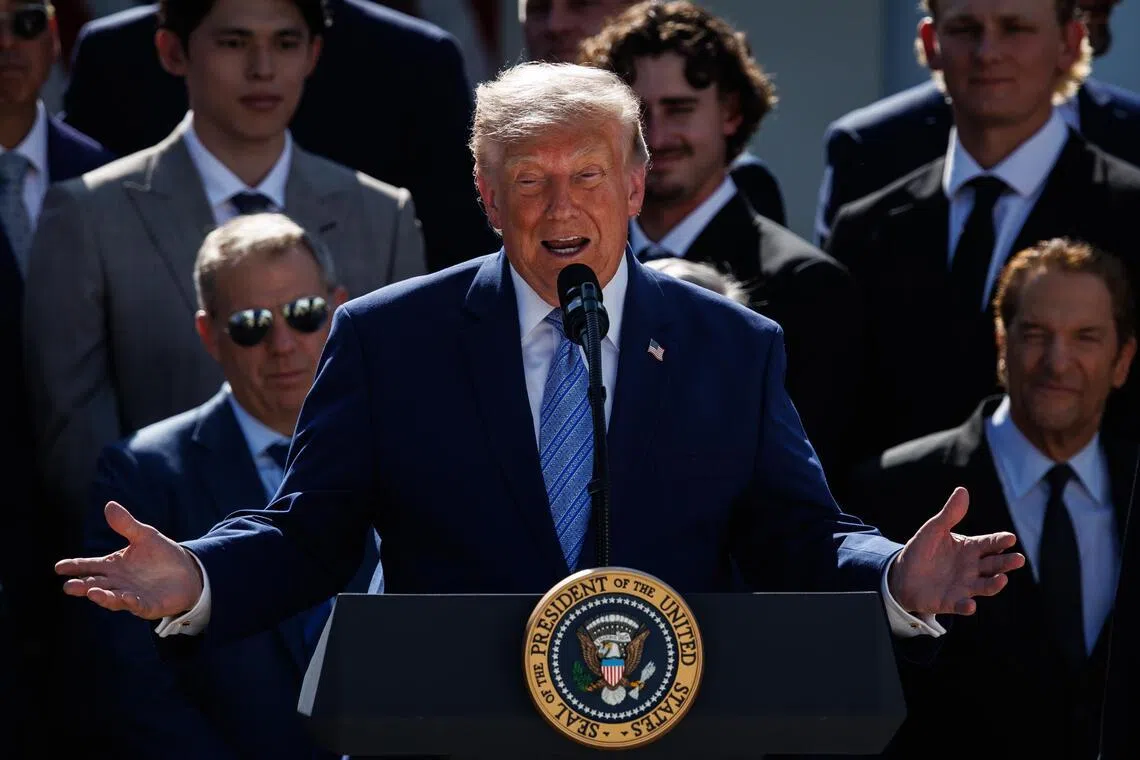
Chinese President Xi Jinping will visit the United States on September 24 for a state meeting focused on technological challenges, amid growing tensions over Chinese artificial intelligence models.
Xi Jinping in Washington: Artificial Intelligence at the Heart of a State Visit
The White House is preparing to receive Chinese President Xi Jinping on September 24 for a state visit. This meeting, confirmed by U.S. President Donald Trump, will place artificial intelligence at the center of discussions. A highly sensitive topic as Chinese technological advances fuel concerns in Washington.
The official program includes a welcome ceremony on the South Lawn of the White House, followed by a state dinner and bilateral talks. The White House, currently under renovation, is preparing to host this summit, which could redefine the technological balance of power between the two nations.
The Rise of Chinese Models Under Scrutiny
U.S. authorities accuse several Chinese companies of replicating artificial intelligence technologies developed in the United States. The distillation technique, which allows duplicating the capabilities of proprietary systems, is particularly targeted. Firms such as Moonshot, DeepSeek, and MiniMax are under scrutiny for allegedly using this method on a large scale.
On July 22, a White House official denounced these practices, citing potential violations of export regulations. An investigation by the Department of Commerce is examining the use of electronic chips by Chinese companies. Some U.S. officials are considering economic sanctions, while others advocate for restricting access to foreign open-source models.
An American AI company warned lawmakers earlier this year about the risks of this practice. In a letter, it described large-scale distillation as a threat to intellectual property and national security.
A U.S. Administration Seeking Coherence
The U.S. executive branch is struggling to define a unified strategy in response to the rise of Chinese AI. Internal debates reveal deep divisions over the best way to preserve U.S. technological leadership.
While imposing export controls, it adopts a less restrictive stance than other administration officials.
Other officials advocate for a tougher line. A presidential decree, drafted this summer, establishes an evaluation framework for the most powerful AI models. The presidential team is particularly targeting the distillation technique used by Chinese labs.
A White House spokesperson stated that discussions with Beijing aim to "strengthen American innovation." A formulation that reflects Washington's desire to maintain its technological edge, without specifying concrete measures to achieve this.
The Divided U.S. Private Sector
American startups are concerned about the potential consequences of a ban on foreign open-source models. In a letter to the Trump administration, several young companies warned of the risks of such a measure. They argue it would stifle competition and benefit industry giants.
A venture capital figure criticized the idea of treating these models as a threat. In an op-ed, he described it as "healthy competition" that should be encouraged. Open-source advocates emphasize that these systems, more affordable and flexible, are particularly suited to small businesses.
These tensions come as major U.S. AI companies prepare for initial public offerings. Investors are scrutinizing their profitability, while Chinese models, often free or low-cost, are gaining popularity. A dynamic that could reshape the artificial intelligence landscape in the coming months.
Key Points
- Chinese President Xi Jinping will visit the United States on September 24 for a state visit focused on artificial intelligence.
- The United States accuses Chinese companies such as Moonshot, DeepSeek, and MiniMax of replicating American AI models using the distillation technique.
- The Trump administration is divided on the response, between a restrictive approach and an incentive strategy led by the Secretary of Commerce.
- American startups oppose a ban on foreign open-source models, fearing it would stifle competition.
- Major U.S. AI companies are preparing for initial public offerings, while Chinese models are gaining influence.
Sources
- Wired - "This Is Donald Trump’s AI Brain Trust". (secondary)
- Straits Times SG - "Trump under pressure from all sides over Chinese AI surge". (secondary)
- Independent World - "Trump confirms date for visit from China’s Xi to discuss AI: ‘Biggest thing anybody’s ever seen’". (secondary)
Transparency: 3 sources (0 primary, 3 secondary). Verification: July 27, 2026.
Truthyx - July 27, 2026