EU-Ukraine: Accession negotiations relaunched after Hungarian veto
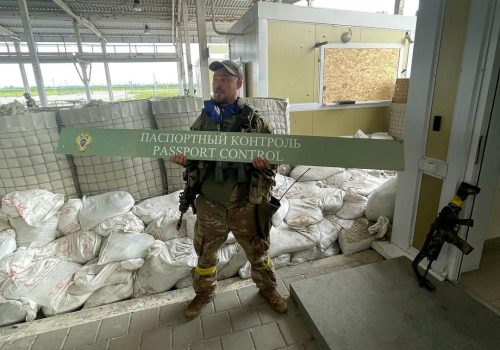
The European Union officially resumed accession negotiations with Ukraine on June 15, 2026, following the lifting of Hungary's veto. The move, which also includes Moldova, marks a symbolic step for Kyiv amid ongoing war.
EU-Ukraine: Accession negotiations resume after Hungarian veto
Context and announcement
The European Union (EU) officially relaunched accession negotiations with Ukraine on June 15, 2026. This decision follows the lifting of Hungary's veto, which had blocked the process since 2022. The government of Budapest, led by Viktor Orbán until 2026, had fiercely opposed Kyiv's integration, citing political and economic differences.
Hungary finally agreed to withdraw its opposition, allowing the Twenty-Seven to reach an agreement on opening talks, as announced by the President of the European Council, Antonio Costa. This progress marks a symbolic step for Ukraine, which has been at war since February 2026. Ukrainian President Volodymyr Zelensky is set to participate in the European Council on June 18 and 19 to discuss the next steps.
The EU has also included Moldova in this process, opening negotiations with both countries simultaneously. This decision reflects a desire to strengthen regional stability in the face of tensions with Russia. The Association Agreements between the EU and Ukraine, signed in 2014, had already laid the groundwork for enhanced cooperation.
Details of the negotiations
The discussions begin with the examination of the first *cluster* of topics, focused on fundamental rights and the rule of law. This section includes 35 chapters, covering judicial reform, the fight against corruption, and the protection of minorities. The EU has emphasized that these themes are a priority for assessing Ukraine's ability to meet European standards.
The negotiations will be organized into six clusters, covering various areas such as the economy, energy, and security. Each stage will require structural reforms and legislative adjustments. Ukraine will need to align its standards with those of the EU, a complex process in wartime.
The European Commission will oversee Kyiv's progress, with regular reports on the advancement of reforms. The Treaty of Lisbon, which entered into force in 2009, governs accession procedures and imposes strict criteria. The negotiations could take several years, based on previous EU enlargements.
Reactions and implications
The resumption of negotiations has been welcomed by Ukrainian leaders as crucial moral and political support. Zelensky described this decision as a strategic victory for his country while acknowledging the challenges ahead. Ukrainian authorities hope this process will accelerate European integration and strengthen the country's security.
Within Europe, reactions are mixed. Some member states, such as Poland and the Baltic countries, actively support Ukraine's accession. Others, like Hungary or Slovakia, remain cautious, fearing institutional overload or economic imbalances. The Maastricht Treaty, which defines accession criteria, requires unanimity among member states to validate a new entry.
The geopolitical implications are significant. The EU is sending a strong signal to Russia by reaffirming its commitment to Ukraine. However, the war complicates internal reforms, with regions under Russian occupation and a weakened economy. The Minsk Agreements, signed in 2014 and 2015, aimed to stabilize the situation in eastern Ukraine.
Prospects and challenges
The path to accession remains fraught with obstacles. Ukraine will need to implement deep reforms despite the war, an unprecedented challenge in EU history. Previous enlargements, such as those of Central European countries in the 2000s, took over a decade. The Treaty of Athens, which formalized the accession of ten new members in 2004, required years of preparation.
The Copenhagen Criteria, established in 1993, impose strict conditions regarding democracy, market economy, and compliance with the EU acquis. Ukraine will need to reform its judicial system, combat corruption, and guarantee minority rights. These requirements may conflict with the country's immediate priorities, such as reconstruction or national defense.
The negotiations could also be slowed by internal disagreements within the EU. Some member states fear that Ukraine's accession could disrupt structural funds or complicate decision-making. The Treaty of Nice, which reformed European institutions in 2001, had already anticipated these challenges, but tensions persist.
Finally, the security question remains central. The EU will need to clarify its role in Ukraine's defense, particularly in the event of an escalation of the conflict. The Eastern Partnership agreements, launched in 2009, aimed to strengthen cooperation, but the war has changed the situation. Ukraine's accession could redefine the geopolitical balance in Europe.
Conclusion
The resumption of negotiations between the EU and Ukraine marks an important step, but the accession process promises to be long and complex. The lifting of the Hungarian veto unblocked the situation, but the challenges remain numerous, both for Kyiv and Brussels.
Ukraine will have to balance structural reforms and war management, while the EU will need to overcome its internal divisions. The coming months will be crucial to assess the ability of both parties to move forward despite the obstacles. If the negotiations succeed, they could redraw the political and economic map of Europe. If not, they risk becoming bogged down, leaving Ukraine in a situation of prolonged dependence.
Regardless of the outcome, this revival of talks confirms Ukraine's European anchor, despite the uncertainties. Existing agreements and treaties provide a framework, but their implementation will depend on political and military realities. Europe stands at a crossroads, where today's choices will determine its future for decades to come.
Key Points
- The EU resumes accession negotiations with Ukraine on June 15, 2026, after the lifting of the Hungarian veto
- Hungary, led by Viktor Orbán, had blocked the process for years
- Moldova is also included in the negotiations, strengthening regional stability in the face of Russia
- Discussions begin with a *cluster* on fundamental rights and the rule of law, with 33 priority chapters
- The process promises to be long and complex, with challenges related to the war and structural reforms
Sources
- France 24 English - "Ukraine's EU accession bid gains traction as Hungary lifts veto". (secondary)
- NYT International - "Ukraine Is About to Take a Big Step on a Long Road Toward the European Union". (secondary)
- Al Jazeera World - "EU set to hold membership talks with Ukraine". (secondary)
- Le Monde - "LIVE, war in Ukraine: the EU to resume negotiations on Kyiv's accession on Monday". (secondary)
- Le Monde - "LIVE, war in Ukraine: Volodymyr Zelensky expected at the European Council next week, negotiations on Kyiv's accession to the EU to resume". (secondary)
- France 24 - "The European Union announces the resumption of accession negotiations with Ukraine on Monday". (secondary)
- Le Monde Diplomatique - "Ukraine, the 28th State of the European Union?". (secondary)
- Le Figaro - "The European Union to resume negotiations on Ukraine's accession on Monday". (secondary)
- Straits Times SG - "All EU members greenlight first step in accession talks, Ukraine PM says". (secondary)
- Liberation - "European Union: Ukraine's accession back on the table of the Twenty-Seven". (secondary)
Transparency: 10 sources (0 primary, 10 secondary). Verification: June 15, 2026.
Truthyx - June 15, 2026