US Sanctions Against Cuba: Díaz-Canel and the Economy Under Pressure
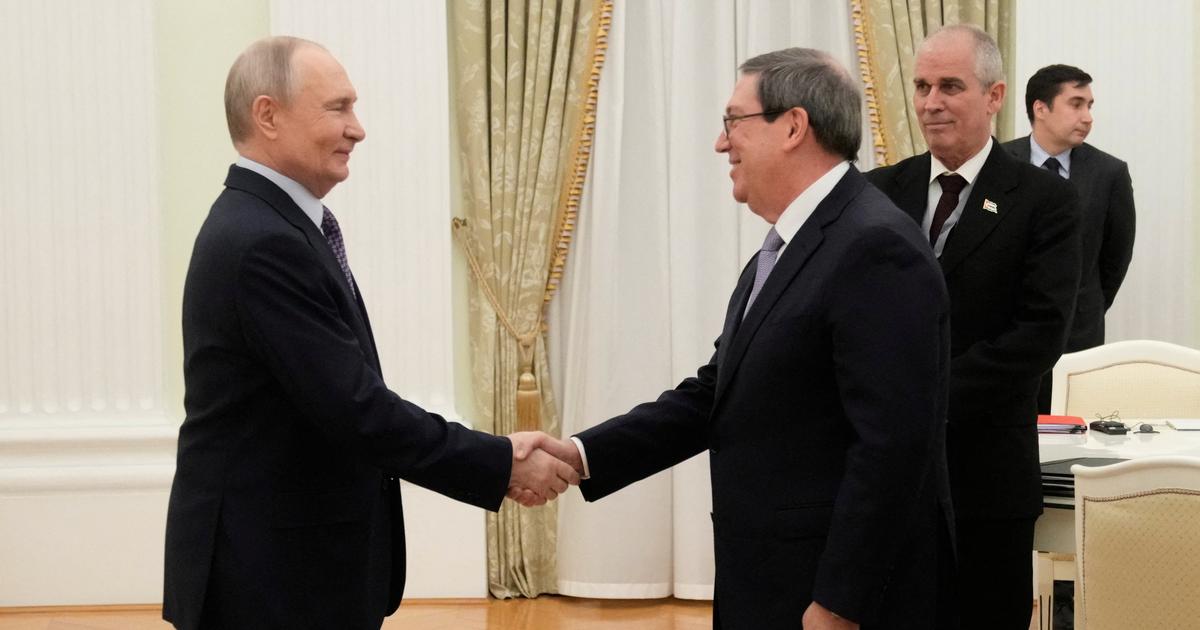
The United States has expanded sanctions against Cuba, targeting President Díaz-Canel’s family and the national oil company Cupet, worsening the energy and economic crisis. International divisions and humanitarian concerns are escalating.
US Sanctions Against Cuba: Pressure on Díaz-Canel and the Economy
Expansion of Sanctions to Close Associates of the Cuban Leadership
The United States has broadened its sanctions campaign against Cuba by targeting members of President Miguel Díaz-Canel’s family and close associates of former leader Raúl Castro. This measure, announced in early June 2026, includes Díaz-Canel’s wife and stepson, who had previously been spared from restrictions. Raúl Castro, a historic figure in the regime, also sees his family circle affected, with financial transaction bans and asset freezes in US territory.
Díaz-Canel had already been under sanctions since July 2026, a decision justified by the US administration as a response to human rights violations and political repression on the island. These new measures are part of a broader strategy to pressure the ruling elite, aiming to weaken their internal support. Secretary of State Marco Rubio stated that the sanctions target those who benefit from the existing system, according to Al Jazeera World, while allegedly avoiding direct harm to the population.
Major Blow to Cuba’s Energy Sector
The national oil company Unión Cuba-Petróleo (Cupet) has been added to the list of entities sanctioned by Washington. This decision blocks a crucial fuel supply agreement for the island, which included the delivery of 250,000 barrels of fuel. The US administration argues that Cupet illegally expropriated assets belonging to American companies after the 1959 revolution. Cuban authorities denounce the measure as exacerbating an already critical energy crisis, depriving the country of essential resources for its operations.
The fuel shortage directly impacts transportation, agriculture, and electricity production. Power outages, already frequent, could worsen, while queues at gas stations grow longer. The United States justifies the sanction as necessary to pressure the Cuban government, accused of diverting energy resources for the benefit of elites rather than redistributing them to the population.
Economic and Humanitarian Repercussions
The tourism sector, a cornerstone of the Cuban economy, is bearing the brunt of the sanctions. Several international hotel chains, some of which have reduced investments or left the island due to fears of US retaliation, are depriving the country of vital foreign currency. Financial losses amount to hundreds of millions of dollars. Financial services are also affected, with growing difficulties in conducting international transactions, even for essential goods.
On the humanitarian front, the United Nations has warned of the dramatic consequences of these measures. A recent report highlights that sanctions have contributed to child deaths due to shortages of medicine and food. Cuban authorities denounce a deliberate "economic asphyxiation," while Washington maintains that the sanctions target the regime, not the population. This contradiction fuels debates on the effectiveness and ethics of such measures.
US Political Objectives
The US administration is pursuing a strategy of maximum pressure to provoke regime change in Cuba. Secretary of State Marco Rubio described a gradual approach, comparing the sanctions to a "heating grill" whose temperature rises until the Cuban political system collapses. This rhetoric is based on the idea that economic and financial isolation will sufficiently weaken the government to force reforms or a transition.
The United States is also banking on a domino effect following the fall of Nicolás Maduro’s regime in Venezuela in 2024. The end of Venezuelan oil support has weakened Cuba, and Washington hopes this vulnerability will accelerate political instability. However, some analysts, such as those cited by El País, believe this strategy could backfire by strengthening Cuban nationalism and consolidating support for the current government.
International Reactions and Divisions
The international community remains divided over the sanctions. Several Latin American countries, including Mexico and Argentina, have condemned the measures, deeming them counterproductive and harmful to the population. The European Union, though critical of the Cuban regime, has also expressed reservations, noting that unilateral sanctions often violate international law.
Conversely, countries like Colombia and Brazil tacitly support the US position, arguing that economic pressure is necessary to bring about change in Cuba. Human rights organizations are also divided: some applaud the US firmness, while others denounce a policy that exacerbates civilian suffering.
Agreements and Treaties at Stake
These sanctions fall under the Helms-Burton Act of 1996, which allows the United States to pursue foreign companies trading with properties expropriated from Americans after 1959. This legislation, rarely applied in its entirety, was reactivated under the Trump administration to increase pressure on Cuba. The free trade agreement between the United States and several Latin American countries, which came into force in 2024, explicitly excludes Cuba, depriving the island of any commercial advantages in the region.
Furthermore, the US embargo against Cuba, in place since 1962, remains a persistent source of tension at the UN. Each year, the General Assembly votes on a resolution calling for its lifting, with an overwhelming majority in favor of Cuba. The United States, isolated on this issue, maintains its position in the name of the fight against communism and the defense of human rights.
Conclusion: An Uncertain Future
The US sanctions against Cuba in June 2026 mark an unprecedented escalation in Washington’s pressure strategy. By targeting both leaders, the economy, and trade agreements, the United States hopes to accelerate political change on the island. However, the humanitarian consequences and international divisions raise questions about the legitimacy and effectiveness of this approach.
In the short term, the Cuban economic crisis is expected to worsen, with risks of social unrest. In the medium term, two scenarios emerge: either the Cuban regime manages to resist by mobilizing nationalism and seeking new allies, or the US pressure ultimately causes internal fractures. In both cases, the Cuban population, already suffering, will pay the highest price for this geopolitical confrontation.
Key Points
- Extension of US sanctions to associates of Díaz-Canel and Raúl Castro, including asset freezes and financial restrictions
- Sanctioning of the state-owned oil company Cupet, blocking a crucial deal for fuel supply
- Major economic impact: energy crisis, collapse of tourism, and shortages of medicine
- US strategy of maximum pressure to provoke regime change
- International divisions: Latin American condemnations and EU reservations regarding the sanctions
Sources
- Le Monde - "Washington increases pressure on Cuba by sanctioning President Diaz-Canel and the Castro family". (secondary)
- Al Jazeera World - "Trump administration sanctions Cuba’s national oil company, blasts Castros". (secondary)
- NYT International - "U.S. Blocks Deal by Florida-based Vanguard Energy to Supply Fuel to Cuba". (secondary)
- El Tiempo Colombia - "Cuba left without international flights and hotel chains due to US pressure: tourism faces million-dollar losses". (secondary)
- Straits Times SG - "Children dying in Cuba because of tighter US sanctions, says UN". (secondary)
- Clarin Internacional - "United States sanctions Cuba’s state-owned oil and gas company amid rising tensions". (secondary)
- The Hill - "US sanctions Cuba’s state-owned oil, gas company". (secondary)
- El Pais World - "Trump corners Cuba’s political leadership to provoke regime change". (secondary)
- El Tiempo Colombia - "Donald Trump’s pressure on Cuba accelerates tourism collapse and brings the island closer to economic suffocation: What is the US plan for the ‘day after’?". (secondary)
- Financial Post - "US Sanctions Cuba’s State Oil Company in Another Aggressive Turn". (secondary)
Transparency: 10 sources (0 primary, 10 secondary). Verification: June 13, 2026.
Truthyx - June 13, 2026