2026 World Cup: Iran Relocated to Tijuana Due to US Tensions
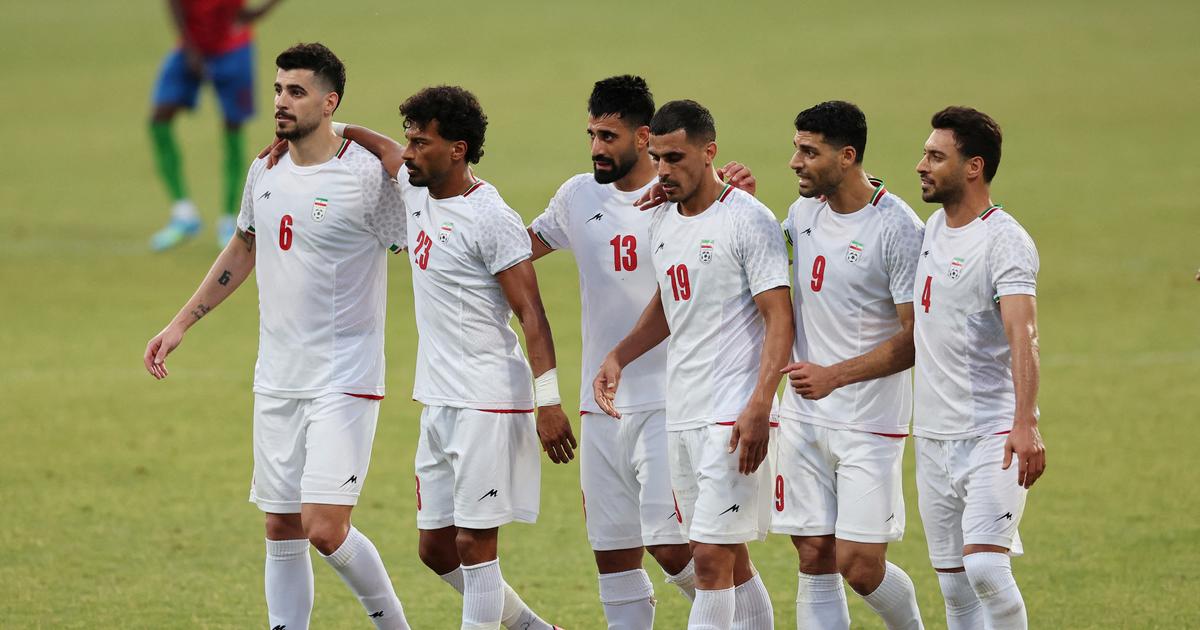
Iran, initially set to base in the US for the 2026 World Cup, has been relocated to Tijuana, Mexico, due to geopolitical tensions and visa restrictions, impacting team preparation, fans, and tournament logistics.
2026 World Cup: Iran Relocated to Tijuana Due to Tensions with the United States
Geopolitical Context: A World Cup Under High Tension
The 2026 World Cup (co-hosted by the United States, Canada, and Mexico) begins amid a tense diplomatic climate. Relations between Tehran and Washington, already strained for decades, have further deteriorated following US and Israeli airstrikes on Iranian positions in Syria in late February 2026. These operations, conducted in response to attacks attributed to pro-Iranian groups, have reignited fears of a regional conflict.
The US State Department has maintained strict visa restrictions for Iranian nationals, in line with existing economic and diplomatic sanctions. These measures, strengthened after Washington withdrew from the 2015 nuclear deal (Joint Comprehensive Plan of Action, or JCPOA), significantly complicate the participation of the Iranian national team. Although the International Federation of Association Football (FIFA) has secured guarantees for the players, coaching staff and supporters remain subject to exceptional procedures.
Iran, which is playing all three of its group-stage matches in the United States, was initially supposed to base itself in a US city near the stadiums. However, US authorities refused to grant the necessary permits, citing security risks (France 24). This decision is part of a strategy of maximum pressure, as negotiations for a potential return to the JCPOA have been at a standstill since 2024.
Relocation to Tijuana: A Last-Minute Solution
Faced with the impossibility of housing the Iranian team on US soil, FIFA and local organizers turned to Tijuana, a Mexican border city located about 30 kilometers from San Diego. This solution, finalized in May 2026, required an unprecedented logistical effort. Municipal authorities had to urgently set up infrastructure to accommodate the players, technical staff, and officials in a secured hotel near the international airport.
The choice of Tijuana is not coincidental. The city, accustomed to cross-border flows, has experience in hosting international sporting events. However, the speed at which preparations had to be carried out posed several challenges. Training facilities, initially planned in the United States, had to be replicated identically in Mexico. A FIFA-standard pitch was rented in a private sports complex, while medical and recovery rooms were improvised in the hotel.
Travel between Tijuana and US stadiums promises to be complex. Players will have to cross the border daily, a journey of about an hour by bus, under police escort. Mexican and US authorities have negotiated secure corridors to avoid delays, but the risk of disruptions remains high. Some members of the Iranian staff, still without visas, will not be able to accompany the team on US soil, limiting their ability to oversee training and matches.
Iranian Fans: Between Hope and Disillusionment
The team's relocation to Tijuana also has repercussions for supporters. Around 3,000 Iranian fans (estimated by France 24) had planned to travel to the United States to support their team. However, visa restrictions and fears of being denied entry have discouraged many. Those who attempted the trip have encountered administrative and logistical obstacles.
Tickets for Iran's matches, initially booked through online platforms, have been partially canceled or blocked. FIFA has assured that seats will be reallocated, but tight deadlines complicate redistribution. Some supporters who arrived without tickets risk being unable to access the stadiums. US authorities have tightened controls at entry points, particularly for Iranian nationals, which could lead to delays or denials of access.
In Tijuana, a community of supporters has organized to watch the matches in bars or on big screens. Local associations and Iranian expatriates have set up gathering points, turning the city into a substitute location to experience the event. However, the atmosphere remains tinged with uncertainty, with fears of unrest or tensions with law enforcement.
Team Preparation: A Sporting and Mental Challenge
For the Iranian team, this World Cup represents both a sporting and psychological challenge. The players, aware of the geopolitical stakes, must focus on their performance despite a hostile environment. Head coach Carlos Queiroz has acknowledged that the preparation conditions are far from ideal. Training sessions have had to be adapted, with reduced sessions due to logistical constraints and travel.
Team morale is also affected by the absence of certain staff members. Several physiotherapists and fitness coaches, denied visas, were unable to join the team. The players must make do with reduced squads and facilities that are less advanced than those initially planned. Recovery sessions, which are essential in such an intense tournament, are particularly impacted by these restrictions.
Tactically, Iran faces formidable opponents in Group B: Spain, Japan, and Costa Rica. Head coach Carlos Queiroz has stated that the team must overcome these difficulties (Le Figaro). Others fear that the additional stress could weigh on their performance.
The Football Federation Islamic Republic of Iran has attempted to downplay the impact of geopolitical tensions. It has emphasized that the players are athletes, not political representatives. However, this distinction is difficult to maintain in a context where sport and diplomacy are closely intertwined. The Iranian players, already under fire for their presumed silence on domestic political issues, find themselves unwillingly at the center of an international conflict.
International Reactions: Between Support and Indifference
The situation of the Iranian team has sparked mixed reactions on the international stage. Several European federations, including those of Spain and France, have expressed solidarity with the players, stressing that sport should remain shielded from political tensions. Petitions have circulated calling on FIFA to take stronger action, but the organization has reiterated that it cannot override the laws of host countries.
Other voices, particularly in the United States, have defended the authorities' position. Political officials have argued that security measures are necessary to prevent potential incidents. Some U.S. media outlets have downplayed the impact of the relocation, claiming that the Iranian players still have acceptable conditions. This approach has been criticized by human rights organizations, which see it as the politicization of sport.
In Mexico, the decision to host the Iranian team has been generally well received. Local authorities view it as an opportunity to promote Tijuana as an open and dynamic city. Businesses have seized the chance to develop partnerships with Iranian sponsors, while cultural initiatives have been launched to celebrate diversity. However, some residents have expressed reservations, fearing that the team's presence could create tensions with U.S. authorities.
Outlook: A Precedent for Major Sporting Events?
The relocation of the Iranian team to Tijuana could set a precedent for future international sporting events. It raises questions about the ability of organizations like FIFA to ensure fair conditions for all teams, regardless of diplomatic relations between countries. Some analysts believe this situation could prompt federations to revise their criteria for selecting host countries, incorporating more clauses on participants' rights.
For Iran, this World Cup could also have domestic repercussions. The government in Tehran has already used the event to rally public opinion, presenting the challenges faced as evidence of Western hostility. A France 24 journalist has extensively covered the logistical difficulties, turning the national team into a symbol of resistance. This rhetoric could bolster popular support, but it also risks further isolating the country on the international stage.
In the long term, the situation could influence diplomatic negotiations between Iran and the United States. If the Iranian team manages to deliver a respectable performance despite the obstacles, it could be interpreted as a symbolic victory. Conversely, a sporting failure could be exploited by hardliners on both sides to justify a toughening of positions. In any case, this World Cup will remain a striking example of the intersection between sport and geopolitics.
Conclusion: A World Cup Marked by Division
The 2026 World Cup begins in an unprecedented context, where geopolitical tensions overshadow the spirit of sport. The relocation of the Iranian team to Tijuana illustrates the limits of major international events in the face of diplomatic realities. If the Iranian players manage to focus on their performance, they will have to contend with degraded preparation conditions and a hostile environment.
For fans, this edition will be remembered for the access difficulties and administrative uncertainties. FIFA, for its part, once again faces a dilemma: how to reconcile the universal values of sport with the constraints imposed by host states? The answer to this question could determine the future of international competitions.
Finally, this situation reminds us that football, despite its universality, is not immune to the conflicts that divide the world. In 2026, the World Cup will not only be played on the pitch but also in political and diplomatic arenas. Iran’s upcoming matches will be watched with particular attention, far beyond sporting considerations.
Key Points
- Iran cannot base itself in the United States for the 2026 World Cup due to tensions with Washington and visa restrictions.
- FIFA has relocated the team to Tijuana (Mexico), 30 km from San Diego, with complex logistics (daily escorted travel).
- Iranian supporters face difficulties obtaining visas and accessing stadiums in the United States.
- The team’s preparation is disrupted by the absence of some staff members and adequate infrastructure.
- The geopolitical context (sanctions, JCPOA, strikes in Syria/Iraq) heightens tensions surrounding the event.
Sources
- France Info - "Coupe du monde de football : Tijuana, au Mexique, se prépare à accueillir l'équipe iranienne". (secondary)
- France 24 English - "Iran heads to World Cup in Mexico amid bitter visa standoff with Washington". (secondary)
- France 24 - "Mondial de football 2026 : les Iraniens privés de supporters". (secondary)
- Le Figaro - "Coupe du monde 2026 : quand la guerre irano-américaine déteint sur le football". (secondary)
Transparency: 4 sources (0 primary, 4 secondary). Verification: June 11, 2026.
Truthyx - June 11, 2026