Christophe Gleizes: Hope for Presidential Pardon in Algeria
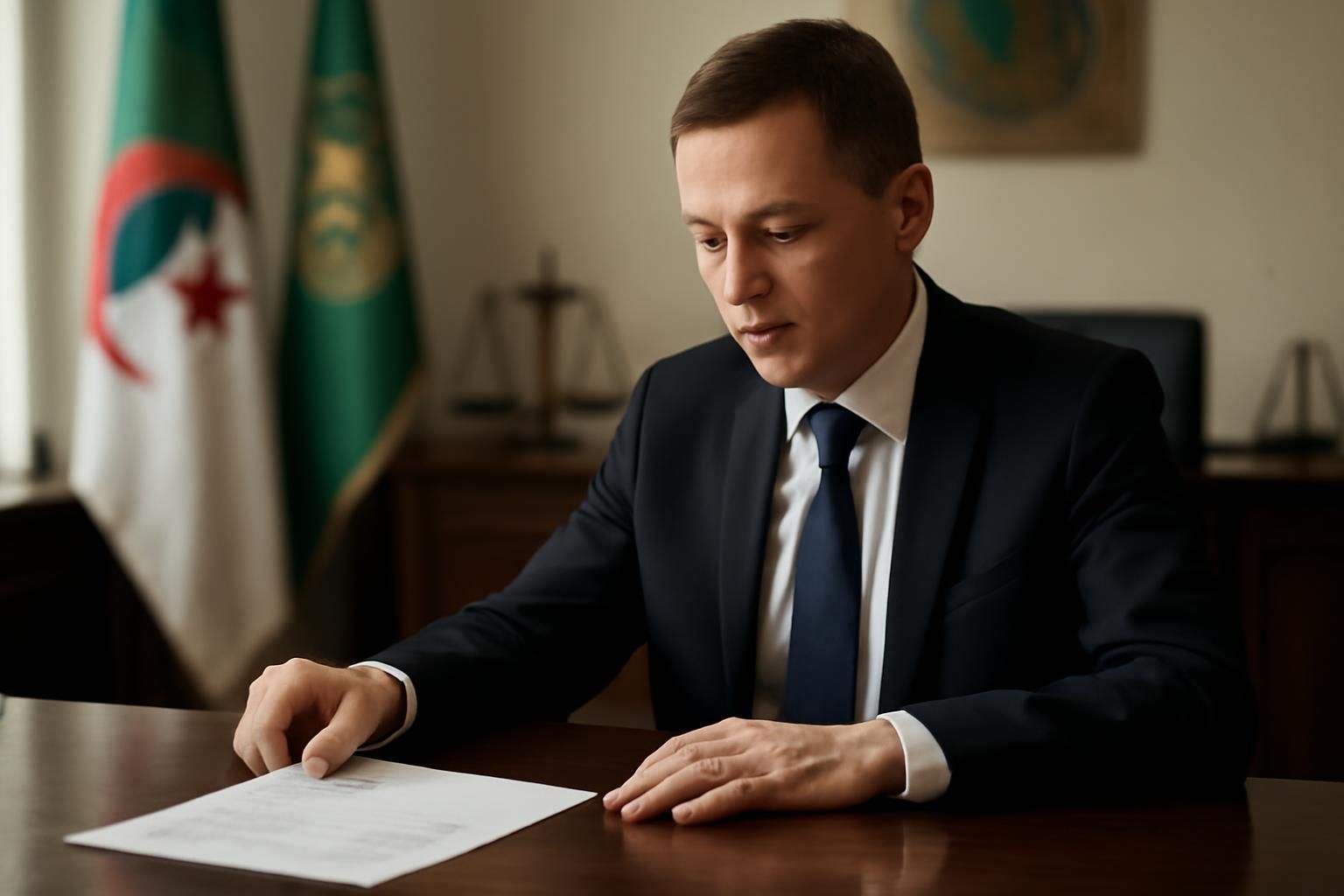
French journalist Christophe Gleizes, detained in Algeria, has seen his judicial procedure definitively closed. His release now depends on a presidential pardon. Diplomatic tensions between France and Algeria could influence this decision.
Christophe Gleizes: Presidential Pardon as the Only Hope
The End of the Judicial Procedure
The French journalist Christophe Gleizes has seen his judicial case definitively closed in Algeria. The Algerian Supreme Court rejected, on May 25, 2026, the appeal filed by the prosecution. The cassation procedure aimed to re-examine the legal aspects of the case. The Algerian prosecution had requested a heavier sentence, but the journalist's defense withdrew its appeal, leaving the decision to the Algerian Supreme Court. This decision puts an end to any possibility of judicial recourse in this country. Gleizes, detained for a year, can no longer contest his conviction.
This judicial closure comes after a series of procedures marked by debates over the nature of the charges. Gleizes was convicted of advocating terrorism, a charge often contested by press freedom organizations. The journalist's lawyers had regularly denounced irregularities in the conduct of the trial.
Hope for a Presidential Pardon
The release of Christophe Gleizes now depends exclusively on a pardon decree from the Algerian president. Abdelmadjid Tebboune alone holds the power to order such a measure, which would allow the journalist to regain his freedom before the end of his sentence. This procedure, distinct from judicial channels, falls within the discretionary domain of the head of state.
The lawyers of Gleizes have confirmed that this option now constitutes the only possible outcome. A pardon decree could come at any time, without any legal conditions being imposed. This practice, although rare, has been used in the past for foreign detainees in Algeria. The journalist's relatives hope for a quick decision, given the time already served in detention.
The presidential pardon does not mean recognition of innocence. It simply suspends the execution of the sentence, without erasing the conviction. For Gleizes, this measure would represent immediate release, but would not challenge the judgment rendered by the Algerian courts. Diplomatic discussions between France and Algeria could play a role in the possibility of such a decision.
Context and Reactions
Christophe Gleizes was arrested in 2024 while covering a sporting event in Algeria. Local authorities had accused him of remarks made during a report, deemed to constitute advocacy of terrorism. This charge, often used to suppress critical voices, had sparked a wave of protests in France and among international press freedom organizations.
The journalist was initially sentenced to an unspecified term in the first instance, before his sentence was increased to seven years on appeal. His lawyers had denounced an expedited procedure and a lack of tangible evidence. The defense had also emphasized that Gleizes had only been doing his job as a journalist, without any intention of promoting terrorist acts.
Reactions to the Supreme Court's decision were immediate. The journalist's lawyers expressed their disappointment while reaffirming their confidence in a favorable outcome through the presidential pardon. Gleizes' entourage called for diplomatic mobilization to accelerate the process. The lawyers of Gleizes hope for a quick decision.
Diplomatic Stakes
The detention of Christophe Gleizes is part of a context of recurring tensions between France and Algeria. Relations between the two countries have seen ups and downs, particularly on issues related to human rights and press freedom. Several French nationals are currently detained in Algeria, often for reasons deemed political by Paris.
French authorities have made discreet efforts to secure the release of Gleizes. Regular contacts have been established with Algerian officials, without any concrete progress being made public. French diplomacy is banking on constructive dialogue while avoiding verbal escalation that could complicate negotiations.
The presidential pardon remains a sensitive issue in Algeria. President Tebboune, keen to preserve national sovereignty, may hesitate to yield to external pressures. However, such a measure could also be seen as a gesture of goodwill, likely to ease relations with France.
Prospects for Gleizes
The family and loved ones of Christophe Gleizes continue to mobilize for his release. Awareness campaigns have been launched, highlighting his status as a journalist and the conditions of his detention. Several French media outlets have relayed his story, emphasizing the risks faced by reporters working in sensitive areas.
The journalist's lawyers stated that they remain in permanent contact with the Algerian authorities. They hope that the ongoing discussions will lead to a positive outcome as soon as possible. The defense has also mentioned the possibility of parole, although this option seems less likely given the nature of the charges.
In France, the Gleizes case has reignited the debate on the protection of journalists abroad. Several professional organizations have called for better coordination between the media and the authorities to avoid such situations. The case of Gleizes illustrates the dangers faced by reporters in countries where press freedom is restricted.
Conclusion
The Christophe Gleizes case is now entering a decisive phase. After the failure of legal appeals, only a decree of pardon from the Algerian president can secure his release. Gleizes' lawyers hope for a quick decision. The diplomatic and humanitarian stakes are considerable, both for the journalist and for Franco-Algerian relations.
The outlook remains uncertain, but hope for a favorable outcome persists. The steps taken by the lawyers and the French authorities could bear fruit, even if the process promises to be complex. While awaiting a decision, the mobilization in favor of Gleizes continues, highlighting the importance of press freedom and the protection of journalists.
The Gleizes case could also set a precedent for other similar cases. It highlights the challenges faced by reporters working in tense political contexts. A positive resolution of this case would send a strong signal in favor of respecting the rights of journalists worldwide.
Key Points
- The Algerian Supreme Court rejected Christophe Gleizes' appeal.
- Gleizes' release now depends on a presidential pardon.
- Diplomatic tensions between France and Algeria could play a crucial role.
- Gleizes was convicted of 'glorifying terrorism,' a contested charge.
- Gleizes' lawyers hope for a quick decision from the Algerian president.
Sources
- Le Monde - "Christophe Gleizes detained in Algeria: the journalist's lawyers announce the closure of the judicial procedure, the last obstacle to a presidential pardon". (secondary)
- France 24 English - "Algeria court clears way for pardon of jailed French journalist Christophe Gleizes". (secondary)
- Le Figaro - "Who are the French still held hostage abroad?". (secondary)
- Liberation - "Christophe Gleizes: rejection of the prosecutor's appeal, paving the way for a pardon from the Algerian president". (secondary)
- RMC Sport - "Christophe Gleizes: the French journalist gives up appealing to the Supreme Court and hopes for a presidential pardon". (secondary)
Transparency: 5 sources (0 primary, 5 secondary). Verification: June 3, 2026.
Truthyx - June 3, 2026