US-Iran 2026 Agreement: Reactions and Geopolitical Implications
The June 2026 agreement between the US and Iran has sparked mixed reactions, including internal tensions in Iran, sharp criticism from Israel, and significant economic and geopolitical implications. The deal involves partial sanctions relief in exchange for nuclear limitations.
Reactions and Implications of the US-Iran Agreement in June 2026
Reactions from Iranian Leaders
Ayatollah Ali Khamenei has clearly distanced himself from the agreement reached between Tehran and Washington. He rejected any notion of submission to American demands while leaving the responsibility for its implementation to the Iranian president. This position reflects internal tensions, where the supreme leader seeks to maintain a hardline stance while avoiding a complete deadlock in negotiations. Meanwhile, the Iranian president hailed the agreement as a step toward regional stability, emphasizing the expected economic benefits.
Khamenei’s statements highlight persistent mistrust. He described the United States as desperate, a rhetoric that contrasts with the more conciliatory tone of the government. This duality could complicate the implementation of the agreement’s clauses, particularly those related to nuclear issues and sanctions. Iranian conservatives, close to the supreme leader, may exert pressure to limit concessions.
International Reactions
The agreement has elicited divergent reactions on the global stage. Israel has expressed strong opposition, denouncing it as a security risk. The Israeli prime minister described the text as an "existential threat," while protests erupted in Tel Aviv. Lebanon, though mentioned in the preamble, was not included in the $200 million reconstruction fund, despite massive destruction in the south of the country.
Gulf countries, such as Saudi Arabia and the United Arab Emirates, have adopted a more nuanced position. Riyadh welcomed the reduction in tensions but remains cautious about the guarantees offered to Iran. China and Russia, traditional partners of Tehran, have warmly received the agreement, seeing it as an opportunity to strengthen their influence in Western Asia. The European Union has called for swift implementation while insisting on compliance with commitments.
Details and Implications of the Agreement
The agreement, reached after months of indirect negotiations, provides for partial lifting of US sanctions in exchange for limitations on Iran’s nuclear program. The United States has committed not to impose new restrictions for 60 days, while Iran has agreed to enhanced inspections of its facilities. An independent verification mechanism will be established to prevent any circumvention.
The economic implications are significant. Iran could resume full-scale oil exports, which would impact global prices. European and Asian companies, previously reluctant to invest due to sanctions, may revive projects in the energy and industrial sectors. However, restrictive clauses on financial transfers could hinder trade.
Geopolitically, the agreement could reshape regional alliances. Israel, isolated in its criticism, may harden its military posture. Lebanon’s Hezbollah, backed by Tehran, has welcomed the text but remains on alert due to persistent Israeli strikes. The United States, for its part, hopes to reduce its military engagement in the Middle East while maintaining pressure on Iran through other channels.
Reactions and Criticism in the United States
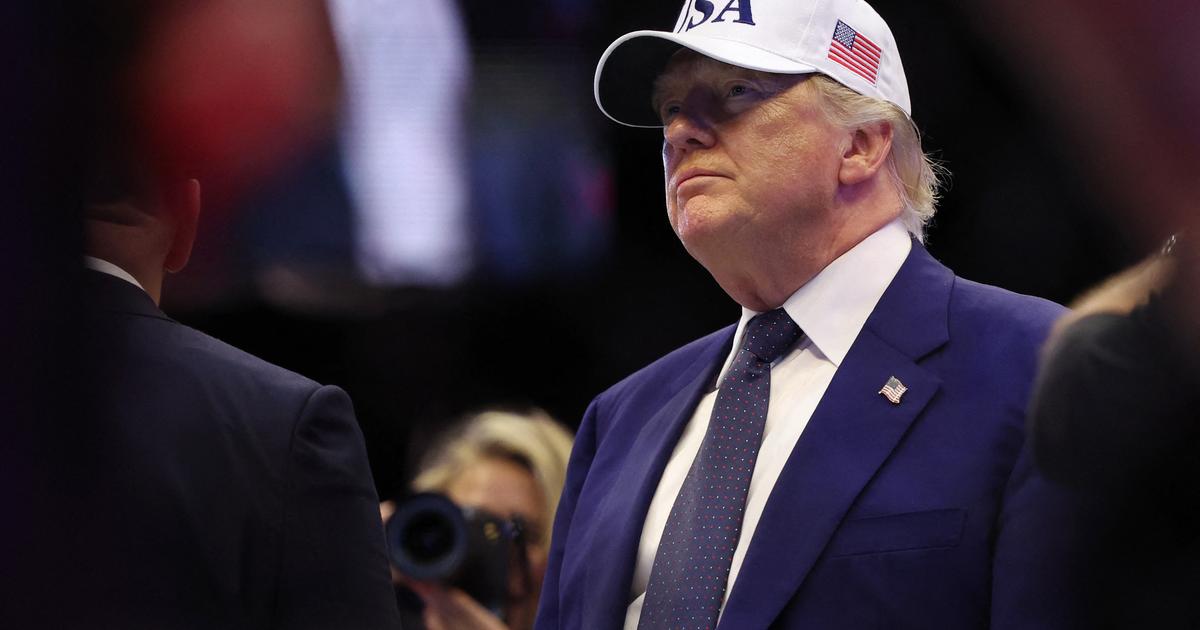
US President Donald Trump defended the agreement as a diplomatic victory, asserting that Tehran had sought rapprochement out of desperation. He emphasized that no US funds would be transferred to Iran during the 60-day period, a non-negotiable condition in his view. This statement aims to reassure hawks in his camp, who fear a weakening of the American position.
Vice President JD Vance adopted a more critical tone toward Israel. He described Israeli reactions as a "freakout," arguing they were based on excessive mistrust. Vance also stressed that the United States retained decisive influence for the next stages of negotiations. His remarks have sparked tensions with Tel Aviv, where some officials see them as a betrayal.
Republicans in Congress have expressed reservations. Several senators have announced plans to propose laws to strictly regulate the agreement’s implementation. Democrats, divided, are calling for a pragmatic approach while acknowledging the risks of Iran’s non-compliance. Debates are expected to intensify in the coming weeks, with hearings planned on the guarantees provided by Tehran.
Contradictions and Gray Areas
The agreement raises several questions. JD Vance claimed that Iran had not gained any new benefits from the lifting of oil sanctions, a statement contradicted by the text’s own clauses. Analysts point out that the resumption of Iranian exports, even partial, represents a significant economic gain. This discrepancy may reflect a communication strategy aimed at minimizing American concessions.
The question of Lebanon remains unresolved. Despite the destruction in the south of the country, Beirut has not been included in the reconstruction fund. This exclusion could fuel tensions with Hezbollah, which may demand compensation. Israeli strikes continue despite the agreement, calling into question its immediate effectiveness on the ground.
Guarantees on Iran's nuclear program are another point of friction. The planned inspections must be carried out by independent experts, but their access to certain sensitive sites remains uncertain. The United States has insisted on mechanisms for the automatic reimposition of sanctions in case of violation, a clause that Iran may contest.
Regional and Global Perspectives
The agreement could mark a turning point in relations between Iran and the West. If commitments are respected, it could pave the way for gradual normalization, with economic benefits for Tehran. However, the risks of deadlock are numerous, particularly due to internal divisions in Iran and political pressures in the United States.
Israel may adopt a more aggressive stance to compensate for what it perceives as a weakening of its position. Strikes in Syria and Lebanon could intensify, with risks of escalation. Gulf countries, for their part, may seek to strengthen their alliances with Washington to counterbalance Iranian influence.
On the international stage, the agreement could serve as a model for other frozen conflicts. North Korea and Russia have already reacted, the former by demanding similar guarantees, the latter by criticizing an approach deemed too conciliatory. The European Union could play a mediating role to facilitate implementation while avoiding direct confrontation with the United States.
Conclusion
The agreement between the United States and Iran in June 2026 represents a risky but potentially transformative gamble. Its implications go beyond the bilateral framework, with repercussions for the regional balance and global geopolitical dynamics. The contrasting reactions from Iranian leaders, American allies, and third countries illustrate the complexity of its implementation.
The coming months will be decisive. If both parties honor their commitments, the agreement could usher in a period of lasting détente. Otherwise, tensions could resurface with increased intensity. Verification mechanisms and the guarantees offered will be tested, as will the political will of leaders to keep their promises.
In the longer term, this agreement could redefine the rules of the game in the Middle East. It offers an alternative to military confrontation but requires difficult compromises on both sides. Its success will depend as much on technical clauses as on the ability of the actors to overcome their historical mistrust.
Key Points
- Ayatollah Khamenei rejects the agreement but allows its implementation, reflecting internal tensions in Iran.
- Israel strongly criticizes the agreement, calling it an existential threat, while Gulf countries adopt a cautious position.
- The agreement provides for a partial lifting of sanctions in exchange for limitations on Iran's nuclear program and enhanced inspections.
- Economic implications include the resumption of Iranian oil exports, impacting global prices.
- The United States and Iran maintain contradictory positions on the benefits of the agreement, particularly regarding oil sanctions.
Sources
- NYT International - "Iran’s Supreme Leader Says He Dislikes Deal With U.S., but Allowed It". (secondary)
- France 24 English - "Mixed reactions over US-Iran deal in Lebanon". (secondary)
- Hindustan Times World - "US-Iran deal LIVE: Vance criticizes Israeli ‘freakout’ over deal; Khamenei says he accepted MoU, calls Trump ‘desperate’". (secondary)
- Clarin Internacional - "JD Vance defends Iran deal with vague and misleading statements". (secondary)
- Economic Times India - "Pezeshkian hails US-Iran deal, says Iran held firm". (secondary)
- Economic Times India - "Confused about the Iran deal? Here are (some) answers". (secondary)
- Channel News Asia - "US VP JD Vance criticizes Israel's 'freakout' over Iran deal". (secondary)
- El Comercio PE - "Donald Trump: Iran is 'finished' and will not receive 'a dime' from the United States". (secondary)
Transparency: 8 sources (0 primary, 8 secondary). Verification: June 20, 2026.
Truthyx - June 20, 2026