TGV M: Launch delayed to September 2026, challenges and issues
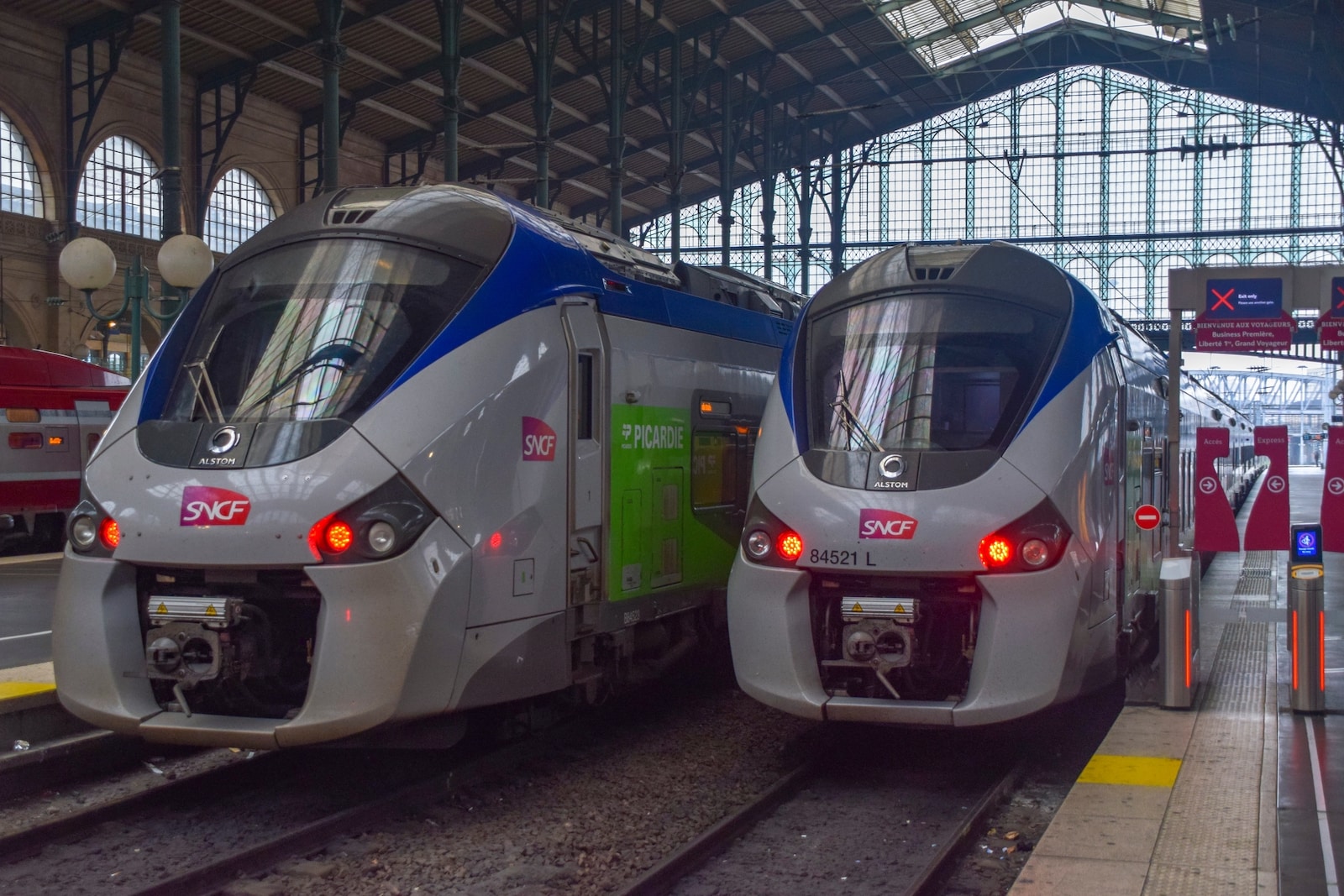
The launch of the TGV M, the new generation of French high-speed trains, has been delayed until September 2026. This delay raises questions about the capabilities of Alstom and SNCF to meet their commitments, while highlighting technological innovations and tensions between the two partners.
TGV M: Launch delayed to September 2026, the challenges of Alstom and SNCF
A delayed but strategic launch
The TGV M, the new generation of French high-speed trains, will not be operational until September 2026. Initially scheduled for July, this two-month delay marks another setback in a project already marred by delays. The French National Railway Company (SNCF) justifies this delay by last-minute technical adjustments. This train, developed by Alstom, represents a major challenge for the rail operator.
The TGV M will enable SNCF to meet a growing demand for mobility. With a steadily increasing number of passengers since 2020, the current trains are reaching their limits. This model aims to streamline traffic while modernizing the passenger experience. Its introduction is part of a broader strategy to renew the railway fleet.
However, this delay raises questions about the ability of manufacturers to meet their commitments. The delays accumulated since 2023 have already weighed on the finances of both partners. Alstom, already weakened by financial difficulties, must deliver a product that meets expectations. SNCF, for its part, is counting on this train to strengthen its competitiveness against European competition.
Technological innovations of the TGV M
The TGV M stands out with significant technological advancements. Its capacity is increased to 740 seats, 100 more than previous models. This increase meets a growing need for seating, especially on saturated lines. Passengers will also benefit from improved comfort, with redesigned spaces and modernized equipment.
One of the major innovations lies in its modularity. The cars can be reconfigured according to needs, allowing rapid adaptation to fluctuations in demand. This flexibility should optimize the operation of the trains and reduce operational costs. Engineers have also worked on better accessibility for people with reduced mobility.
On the technical side, the TGV M integrates predictive maintenance systems. Onboard sensors analyze the condition of components in real time, anticipating failures before they occur. This approach aims to reduce workshop immobilizations and improve punctuality. Alstom is banking on these technologies to differentiate itself in the international market.
However, these innovations are not without risks. The integration of new systems can generate unexpected bugs, as shown by real-world tests. The current delays could be explained by necessary adjustments to ensure the reliability of the train. SNCF and Alstom must prove that these advancements do not compromise passenger safety.
Tensions between Alstom and SNCF
The design of the TGV M has been marked by friction between Alstom and SNCF. Both partners have had to manage differences in technical specifications and delivery deadlines. These tensions have slowed the development of the project, already facing complex industrial challenges. Repeated delays have exacerbated relations between the teams.
Alstom, in financial difficulty for several years, has had to revise its priorities. The rail manufacturer has reduced its workforce and rationalized its costs, which may have impacted the quality of work. SNCF, for its part, has maintained constant pressure to meet the initial schedule. These differences have created a climate of mistrust between the two companies.
Negotiations on the price of the trains have also been a source of tension. SNCF sought to limit costs, while Alstom defended its margins. These discussions delayed the finalization of the contract, adding a layer of complexity to the project. Both parties eventually found a compromise, but relations remain tense.
These frictions could have long-term consequences. SNCF could diversify its suppliers to reduce its dependence on Alstom. The manufacturer, already in competition with Siemens and Bombardier, risks losing market share. The success of the TGV M is therefore crucial for both companies, which must prove their ability to collaborate effectively.
Impact on passengers and operations
The delay of the TGV M until September 2026 will have repercussions on passengers and SNCF operations. Users will have to wait an additional two months before benefiting from the promised improvements. The most saturated lines, such as Paris-Lyon or Paris-Bordeaux, will continue to face capacity constraints. SNCF has announced measures to mitigate the impact, such as adding extra trains.
For operational teams, this delay provides a welcome respite. Drivers and maintenance personnel will have more time to train on the new systems. Maintenance centers will need to adapt their infrastructure to accommodate the TGV M, which requires additional investments. These preparations are essential to ensure a smooth introduction into service.
The delays could also affect the punctuality of trains. SNCF has already recorded an increase in delays in 2025, partly due to network saturation. The TGV M was supposed to help solve this problem, but its postponement prolongs the current difficulties. Travelers could face increased disruptions this summer, a period of high traffic.
Economically, this setback has a cost. SNCF has invested hundreds of millions of euros in this project, and each month of delay weighs on its budget. Alstom, already in difficulty, must bear the additional costs related to technical adjustments. Both companies hope that the TGV M will generate sufficient revenue to offset these expenses.
Conclusion: an uncertain but promising future
The TGV M embodies both the hopes and challenges of the French railway system. Its launch, now scheduled for September 2026, marks a key step in the modernization of the network. The technological innovations it incorporates could redefine the traveler experience and improve operational efficiency. However, the delays and tensions between Alstom and SNCF highlight the inherent difficulties of a project of this scale.
In the short term, travelers will have to deal with the current constraints. SNCF will have to manage expectations while preparing for a successful launch. Alstom, for its part, is staking its credibility on this project, which could revive its activities in Europe. The coming months will be decisive in verifying whether the technical adjustments have borne fruit.
In the long term, the TGV M could serve as a model for future high-speed trains. Its modularity and predictive maintenance systems could inspire other manufacturers. SNCF, for its part, will have to learn from this project to avoid further delays. Collaboration between manufacturers and operators will be essential to meet the challenges of tomorrow's railway system.
Finally, this delay raises questions about France's ability to innovate in a highly competitive sector. The accumulated delays could benefit foreign players, such as Siemens or Chinese manufacturers. To stay in the race, Alstom and SNCF will have to prove that they can deliver a reliable and high-performance product. The TGV M is not just a train: it is a test for the future of the French railway system.
Key Points
- The TGV M will not be operational before September 2026, a delay of two months.
- This train represents a major challenge for Alstom and SNCF, with significant technological innovations.
- The accumulated delays have weighed on the finances of both partners and exacerbated tensions between them.
- The TGV M aims to meet the growing demand for mobility and modernize the traveler experience.
- The delays could have long-term consequences for the collaboration between Alstom and SNCF.
Sources
- Le Figaro - "In a few months, no one will talk about the delays: how Alstom and SNCF finally managed to put the TGV of the future on the rails". (secondary)
- BFM Business - "Not before September after all: SNCF confirms the new delay of the TGV M which will not be launched in July as planned on the Paris-Marseille line". (secondary)
- Liberation - "SNCF: the future TGV M sees its commercial operation delayed again". (secondary)
Transparency: 3 sources (0 primary, 3 secondary). Verification: May 29, 2026.
Truthyx - May 29, 2026