Anti-obesity drugs: a hope against cancer?
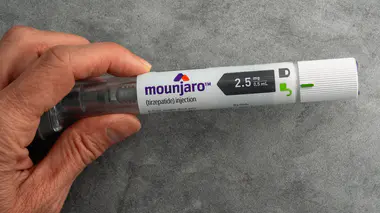
Anti-obesity medications like Mounjaro and Wegovy may have beneficial effects against cancer, according to recent research. These treatments, soon to be reimbursed in France, open a new therapeutic avenue.
Anti-obesity drugs: an effect against cancer?
31 May 2026
Obesity treatments, such as tirzepatide (Mounjaro) and semaglutide (Wegovy), could play an unexpected role in the fight against cancer. Research presented at the Annual Cancer Congress in the United States suggests an impact on the spread of tumors. These findings open a new therapeutic avenue, as these drugs are about to be reimbursed in France.
Already revolutionary molecules
Mounjaro and Wegovy have marked a turning point in the management of obesity. The former, developed by Eli Lilly, combines two intestinal hormones to regulate appetite and blood sugar. The latter, produced by Novo Nordisk, acts on a single hormone but with comparable efficacy. Both have demonstrated significant weight loss, often exceeding 15% of initial body weight.
Their commercial success has been rapid. In the United States, prescriptions have skyrocketed, with over 9 million prescriptions issued in 2025. In Europe, their market authorization was obtained in 2023, but their high cost—around 300 euros per month—has so far limited their accessibility. France is expected to include them in the list of reimbursed drugs soon, a decision expected in the second half of 2026.
A discovery presented at the Cancer Congress
At the Annual Cancer Congress held in Chicago in April 2026, a team of American researchers revealed preliminary data on the effect of these molecules on metastases. Their study, conducted on animal models and human samples, indicates a reduction in the spread of cancer cells in treated subjects.
The results show a 30 to 40% reduction in the number of metastases in certain types of cancer, particularly those of the breast, colon, and prostate. The researchers observed a modification of the tumor microenvironment, with a decrease in inflammation and an alteration in the metabolism of cancer cells. These changes could hinder their ability to spread.
A mechanism still to be elucidated
The anti-cancer effect of anti-obesity drugs remains poorly understood. Two hypotheses dominate. The first suggests a direct impact on tumor cells, via a modulation of metabolic pathways involved in tumor growth. The second favors an indirect effect, related to weight loss and the reduction of risk factors associated with obesity, such as chronic inflammation.
Researchers emphasize the need for further studies. Randomized clinical trials are underway to evaluate the effectiveness of these treatments in cancer patients. The first results are expected within two to three years. In parallel, molecular analyses aim to identify the precise mechanisms at play, in order to determine if these drugs could be used in addition to existing therapies.
A favorable context in France
The announcement of this research coincides with the upcoming reimbursement of Mounjaro and Wegovy in France. The Haute Autorité de Santé (HAS) issued a favorable opinion in March 2026, estimating that their benefit-risk ratio was positive for patients suffering from severe obesity or type 2 diabetes. The Ministry of Health is expected to formalize this decision in the coming weeks.
This measure could concern nearly 2 million people in France, according to estimates by the Health Insurance. The cost to public finances is estimated at around 700 million euros per year, but the authorities hope for long-term savings through the reduction of complications related to obesity, such as cardiovascular diseases or cancers.
Major implications for research
If the results are confirmed, these drugs could transform cancer management. Their dual action—weight loss and potential anti-cancer effects—would make them valuable tools in a comprehensive health approach. Oncologists could integrate them into therapeutic protocols, particularly for patients at high risk of metastases.
However, questions remain. Could their prolonged use lead to resistance or unexpected side effects? Will their high cost remain a barrier to their widespread adoption? Pharmaceutical laboratories, aware of the stakes, are already investing in new formulations and combinations with other treatments.
Conclusion: towards a new therapeutic era?
Anti-obesity drugs could well open a new chapter in the fight against cancer. Their effects on metastases, although preliminary, offer additional hope for millions of patients. The coming years will be crucial to confirm these results and clarify their mechanisms of action.
In France, their imminent reimbursement will facilitate access to these treatments, while allowing large-scale studies. If their anti-cancer efficacy is validated, they could join the therapeutic arsenal alongside chemotherapies and immunotherapies. An advance that, in the long term, could redefine prevention and care strategies.
Key Points
- Anti-obesity drugs could reduce the spread of tumors.
- Mounjaro and Wegovy will soon be reimbursed in France.
- Additional studies are needed to understand their mechanisms of action.
- These drugs could transform cancer management.
- Their high cost remains a challenge for their widespread adoption.
Sources
- France Info Santé - "Anti-obesity drugs also have an effect against cancer, according to American researchers". (secondary)
- France Info - "Anti-obesity drugs also have an effect against cancer, according to American researchers". (secondary)
Transparency: 2 sources (0 primary, 2 secondary). Verification: May 31, 2026.
Truthyx - May 31, 2026